A study finds creators outdrawing celebrity endorsements at the World Cup, Instagram rebuilds its grid to look like TikTok and apologizes, and creator-economy dealmaking hits a record high
The tournament is over, but its lessons kept landing this week. A cross-platform study of 2.4 million posts found creator partnerships consistently beating celebrity endorsements, with one creator repost nearly doubling the reach of Adidas's star-studded film. Away from sport, Instagram rebuilt its profile grid into a TikTok-style rectangular layout and its own boss apologized for the disruption, while the money side of the industry hit a milestone: creator-economy M&A set a first-half record as buyers chased audiences over software.
By the numbers
What Should Marketers Know This Week?
A new Nectar Social study of 2.4 million posts across five platforms found creator partnerships consistently outdrew celebrity endorsements on views and earned media value. The takeaway isn't celebrity fatigue; it's that native, creator-made content travels further than the polished star cut. (Forbes)
The IAB launched Global Creator Week on July 23, uniting its chapters across more than 15 countries to push shared creator-marketing standards, education, and best practices. It runs September 14–18, a sign the category is chasing global consistency rather than one-off national playbooks. (IAB)
YouTube's World Cup recap showed its creator roster of 350 million subscribers drove more than 2.5 billion views of tournament content, on top of official coverage. Streamers giving fans alternative broadcasts may have handed sports a new blueprint that leagues copy well beyond soccer. (Digiday)
A widening wave of class actions, now including Gymshark alongside earlier suits against Alo Yoga and Revolve, is turning FTC disclosure guidance into private consumer lawsuits over influencer posts that weren't clearly marked as ads. Brands should audit partner contracts and disclosures now; the exposure includes damages even where regulators can't act. (Retail & Consumer Products Law Observer)
What Changed on Social Platforms?
Instagram | Launched Replace Audio, letting creators swap the music on an already-published feed post or carousel without deleting it, so the post keeps its existing likes, comments, shares, and reach. Instagram's creator product marketing lead said the swap gives no algorithmic boost, and you can change the track as many times as you want. (TechCrunch)
YouTube | CEO Neal Mohan announced custom thumbnails for Shorts, rolling out to Partner Program creators on desktop and reversing a 2023 stance against the feature; the same update expanded Communities to desktop and added generative thumbnails in Ask Studio. YouTube also opened a UK Shopping affiliate program that lets eligible creators tag products and earn commission. (YouTube)
Threads | Rolled out Parental Supervision through Meta's Family Center, letting parents see a teen's time in the app, set daily limits, adjust sleep mode, and manage privacy settings. (TechCrunch)
Pinterest | Reopened its Inclusion Fund for a sixth year, offering grants, training, and resources to emerging beauty, fashion, and lifestyle creators whose content uses the platform's inclusive search features (skin-tone, hair-pattern, and body-type ranges). (MediaPost)
Creator Campaigns
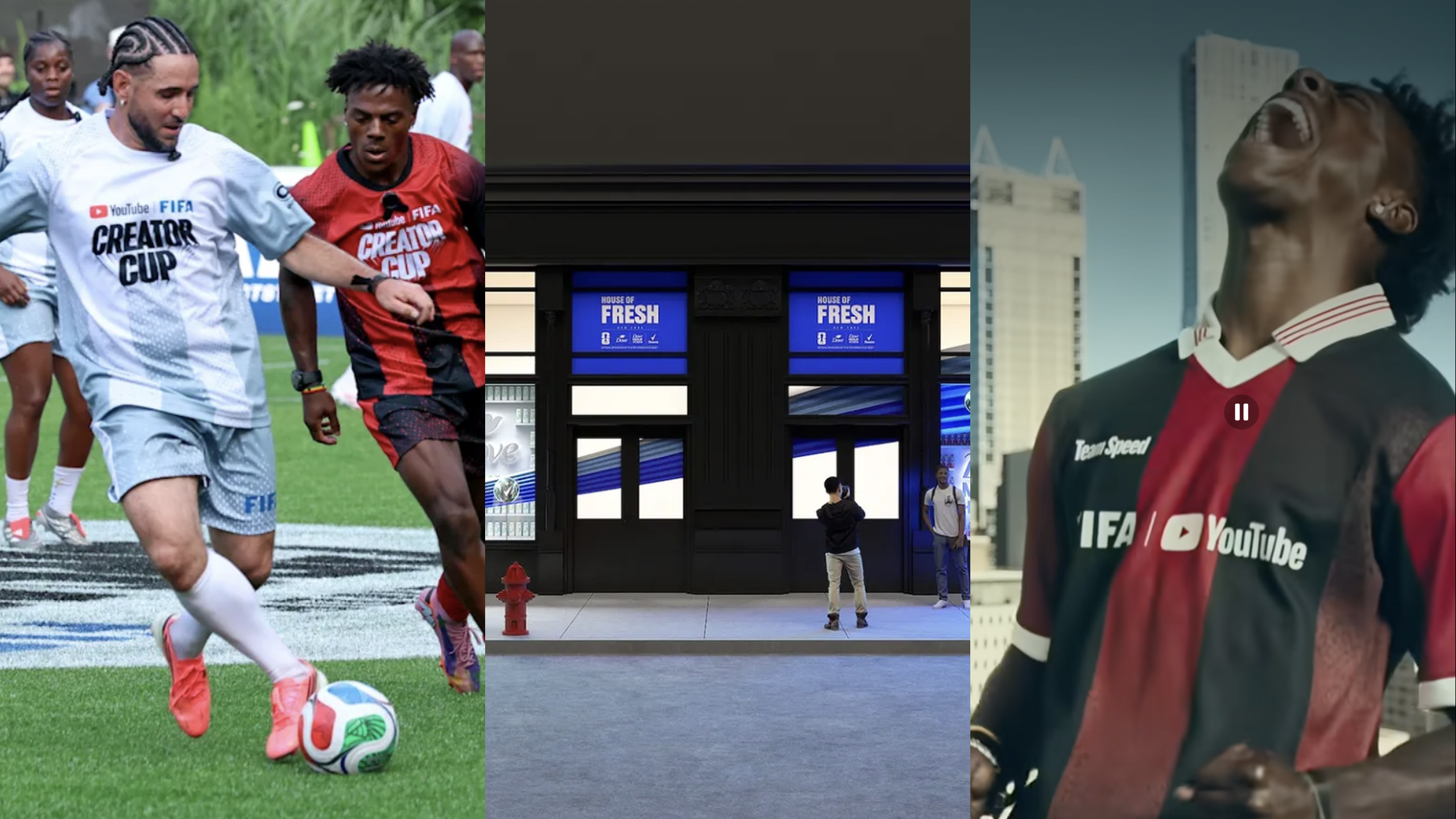
Unilever ran the tournament's biggest creator play, its "Fresh for Every Stage" activation: more than 50,000 creators across 120-plus markets and 35-plus personal-care brands (Dove, Rexona, Axe), backed by invite-only "House of Fresh" content hubs in New York, Mexico City, and Miami. (Unilever, Marketing Dive)
YouTube and FIFA staged the first-ever YouTube FIFA Creator Cup in Central Park on July 12, an exhibition match captained by iShowSpeed with two rosters reaching a combined 270 million-plus subscribers and Dove Men+Care and Lay's as livestream partners; iShowSpeed's team won 7-6 and FIFA's livestream drew over a million views. (YouTube, Yahoo Sports)
Adidas's Messi-and-Beckham World Cup film got a second life when a single creator repost nearly doubled its TikTok reach to 12.7 million, quietly outperforming the brand's own upload. (Forbes)